
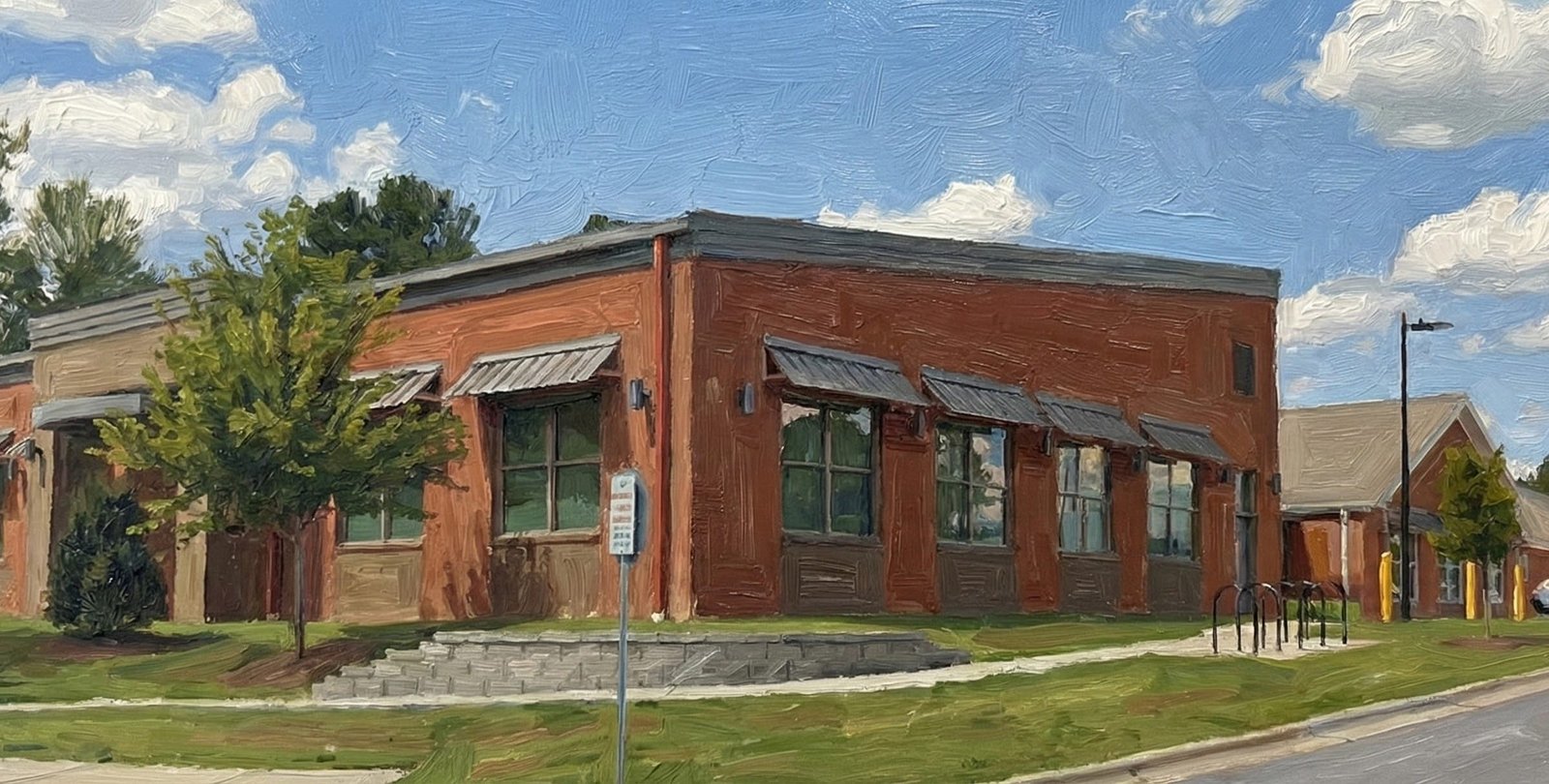
The Wake Forest Mayor forum misinformation trust crisis is real. Walking into the newly rebranded “Wake Forest Center for Active Aging” (formerly the Northern Wake Senior Center), the first thing you notice is the atmosphere. It’s quiet.
We have begun digging into the data to understand why the vibrancy of this community hub seems to have dimmed. As our town government reporting shows, the friction stems from a lack of confidence in the transition process, and the Wake Forest Mayor forum misinformation trust debate captures this tension itself, specifically regarding personnel and vetting. This week, Town leadership and staff faced the membership in a Community Forum intended to quell the unrest.
Enrollment Suffering: The Silent Protest
Looking at the class schedules for January and beyond, the poor sign-up rates for programs are striking. Where once the facility was a hub of activity with full classes and waiting lists, the schedules now reflect a significant lack of participation.
This is not merely a scheduling error or an adjustment to new software. Based on conversations with long-time members, this low enrollment is widely interpreted as a vote of no confidence by the senior population—a silent protest against a transition process they feel has been rushed, dishonest, and poorly executed. The empty seats are speaking louder than any survey.
A Failure of Process
The abrupt departure of the Center’s recently hired Director, after a fanfare introduction, is not just a personnel matter; it is a symptom of a larger procedural breakdown.
Without divulging sensitive specifics at this stage, it is evident that standard vetting procedures and hiring protocols were not followed. This was a significant oversight that exposed the Town—and its senior population—to unnecessary risk. While the situation was contained, it could have ended much differently.
A cursory look at available records provides insight into why the director may have been fired, but until the Town of Wake Forest fulfills the public records records request we sent them, we do not know the ins and outs of how this hire happened in the first place. We have requested records from previous public employers to help refine this investigation.
The “Mea Culpa”: Admitting the Broken Promise
When the Town took over, the “Transition Tenets” were clear: nothing would change for 12 months. That promise has evaporated.
In a moment of candor during the forum, Assistant Town Manager Candice Davis—the staff member leading the Quality of Life departments—admitted that the Town failed to hold the line.
“We want to acknowledge that initially during the transition we messaged there will be no changes for the first full year. That was honestly our initial goal… but despite that, over the past six months, you have been a witness, just as we have, to unexpected circumstances. So, we’ve had staffing changes, HVAC challenges, process adjustments… We recognize this probably brought a lot of confusion and frustration to you as members, and we apologize.” — Candice Davis
“Staffing changes” is a polite bureaucratic euphemism for the hiring and subsequent firing of the new Director.
The “Misinformation” Defense
While staff offered apologies, elected officials took a more defensive stance. Mayor Vivian Jones opened the forum by suggesting that the unrest among seniors wasn’t due to Town errors, but rather the members talking amongst themselves.
“One thing we’ve learned in recent weeks is that there’s a lot of misinformation that is repeated time and again as truth when it is not… Please don’t ask someone who’s taking a class with you. Because they may not know the true answer.” — Mayor Vivian Jones
The Mayor went further, setting a tone that felt less like a conversation and more like a correction:
“You may not like everything that you hear today. But I can promise you one thing: everything you hear today will be the truth.”
For a community that feels unheard, being told that their peer-to-peer discussions are “misinformation” while the Town holds the monopoly on “truth” is unlikely to rebuild rapport.
Wake Forest Mayor Forum Misinformation Trust: Credentials vs. Substance
Commissioner Faith Cross also took the stage, spending significant time detailing her professional resume in an attempt to build a bridge with the audience.
“I’ve been a registered nurse for 25 years, and more than half of my career has been spent working with the older adult population.” — Commissioner Faith Cross
While the qualifications are valid, the strategy of leaning on credentials often misses the mark when the audience’s grievance is about process and access, not medical expertise. The seniors don’t need a nurse; they need a registration system that works and a Director who sticks around.
The Town’s Retreat: From Buffer to “Hot Seat”
The Town’s initial response to the turmoil was the Mayor’s Roundtable, intended as a buffer between the community and staff. However, that strategy has shifted rapidly. Following the initial meeting, a subsequent gathering was held featuring a panel of Town staff.
This move to put operational staff directly in front of the community suggests the administration is realizing that seniors want direct answers from the people pulling the levers, not just political assurances. You do not put your staff on a panel to face the public unless the pressure has become impossible to ignore.
We Are Too Big for “Small Town” Mistakes
Wake Forest is no longer a sleepy bedroom community. We are a fast-growing city in one of the most economically vibrant regions in the country. We are competing for top talent and managing complex, high-value municipal assets.
We cannot afford to have Human Resources and management processes that fail to catch obvious red flags. When the Town takes over a beloved non-profit service, the standard of care must go up, not down.
The Need for Independent Review
Given the atmosphere of distrust and the publicly admitted procedural failures, internal roundtables may not be enough.
It is time for a third-party review.
The Town should bring in an independent body to audit the transition plan, the hiring processes utilized during this period, and the breakdown in communication with the membership. We need to understand exactly where the safeguards failed so we can ensure this never happens again.
Transparency is the only way to bring the seniors back to the table. They aren’t asking for perfection, but they are demanding competence and honesty.
More to come in the follow-ups as public records become available.
Do you have information about the transition? Are you a member of the WFCAA that wants to have your voice heard? Do you just want to chat discretely/off the record to fill in some details?
If you would like to speak confidentially off the record, or if you want to be quoted in this investigative series, email us at wfm@wakeforestmatters.com

Tom Baker IV is the publisher of Wake Forest Matters, Wake Forest’s only independent local newsroom. A Wake Forest native, Navy veteran, and intelligence professional, Tom launched Wake Forest Matters to bring serious accountability journalism to his hometown. Tips and story ideas: publisher@wakeforestmatters.com