When people think of Iraq, they think of dry heat and endless sand. But if you were in Diyala Province in the winter of 2009, you remember the mud. It was a viscous, clay-like paste that we called “moon dust” when it was dry. Still, in the rainy season—December and January—it turned into a swamp that swallowed boots and bogged down the heavy combat vehicles of the infantry units stationed nearby.
The bogs of Warhorse
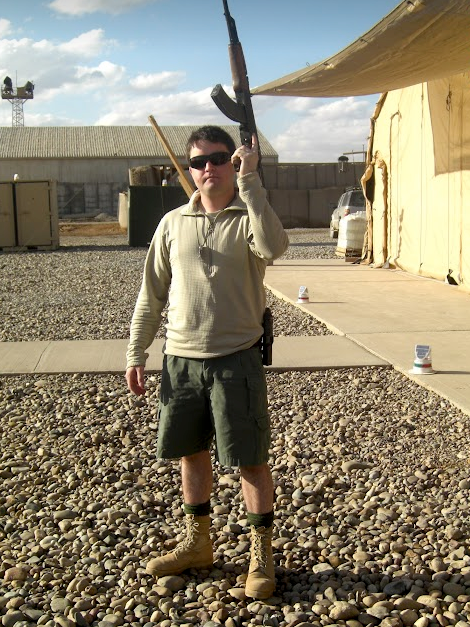
I was deployed to Forward Operating Base (FOB) Warhorse, a hastily assembled outpost built on the ruins of an old Iraqi airfield near Baqubah. I was a kid, really—an augmentee to the Naval Special Warfare Command (NSWC), serving as a UAV mission commander, working with a “ragtag” detachment of sailors that felt less like a military unit and more like a pirate crew. We had Special Boat Operators (SWCCs), an Intel Analyst, two pilots (one a former CH-46 driver named Rock), and our AOIC, a guy we just called “Brian.”
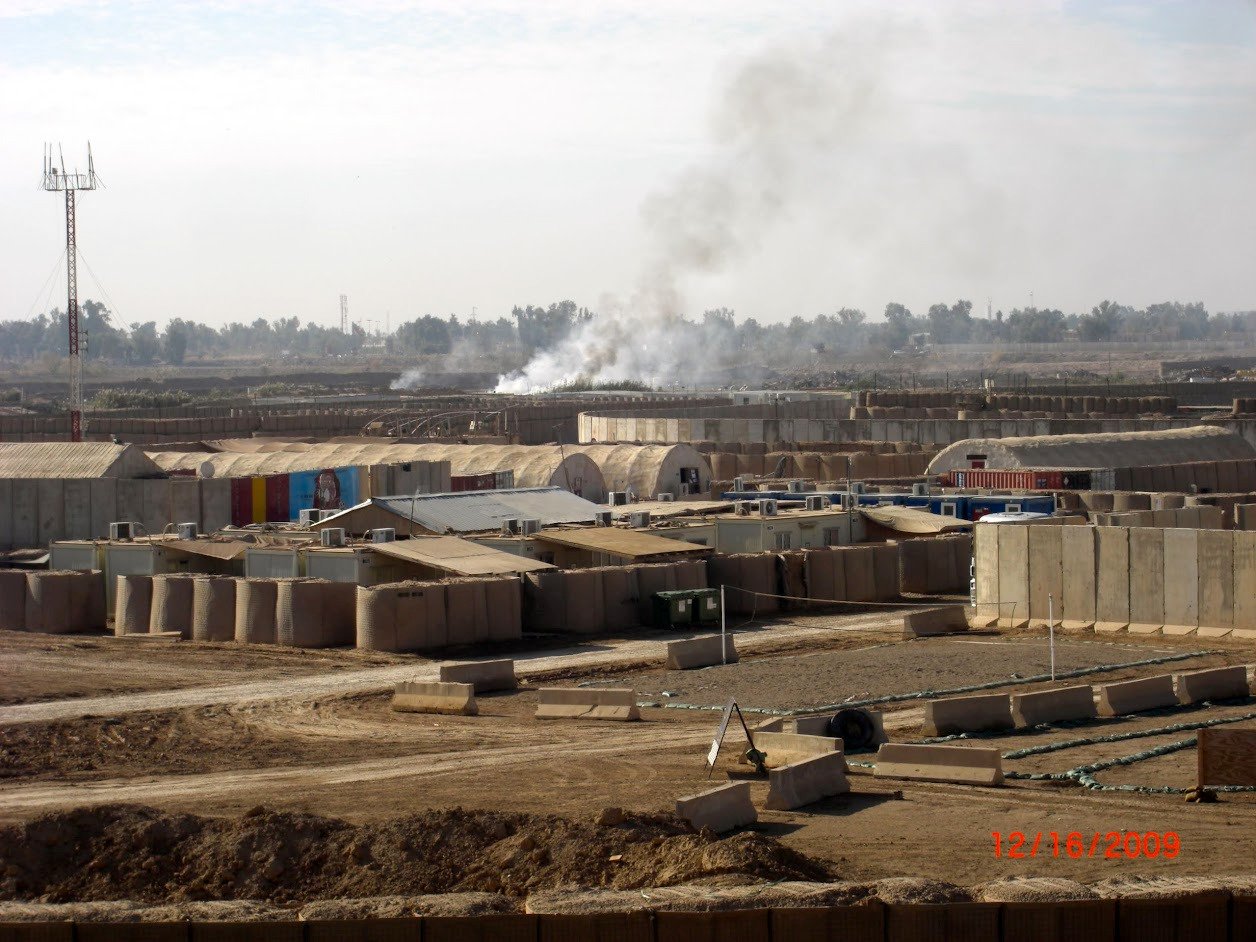
A view of the sprawling industrial reality of FOB Warhorse. The smoke on the horizon marks the burn pit, a constant presence whose scent—and health legacy—remains long after the deployment ended.
We lived in a compound we lovingly, and cynically, christened the “Hotel California.” We were mostly West Coast guys—I was out of Point Mugu, the others from Coronado—and the Eagles’ lyrics about checking out but never leaving hit a little too close to home.
Our job was to be the “eyes” for the hunters. We operated a small, catapult-launched drone that could stay airborne for twenty hours. We were the intelligence tether for CJSOTF-AP (Combined Joint Special Operations Task Force – Arabian Peninsula) and SOTF-N, supporting the Green Berets of C Company, 4th Battalion, 5th Special Forces Group.
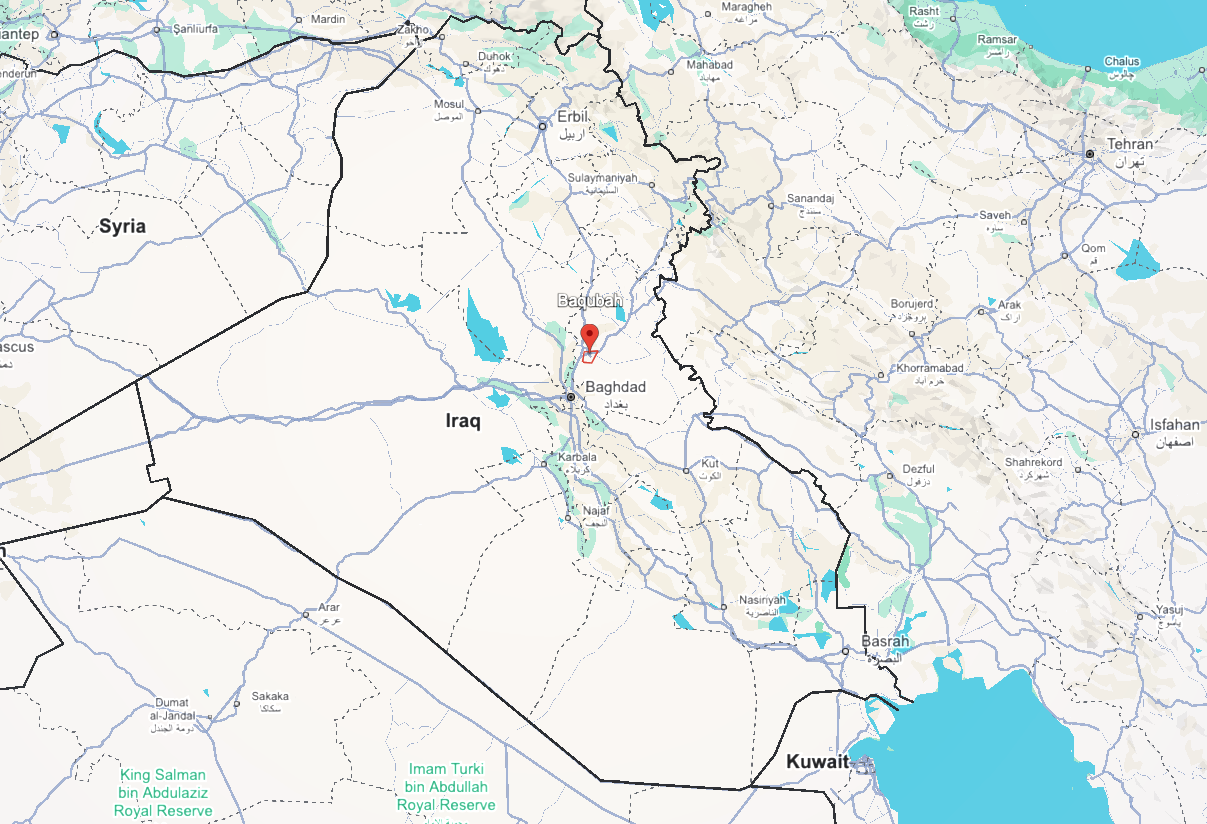
Map of Iraq showing a red location marker and outline centered on Baqubah, northeast of the capital, Baghdad. The map illustrates the contrast between the fertile Mesopotamian river valley and the vast Syrian Desert to the west.
I wasn’t on the ground doing the hit, but rather, doing the work to identify and then point out the doors the team would kick down in the dewy hours of the morning. We monitored the rat-lines along the Diyala River and the reed beds of Hamrin Lake, hunting for Al-Qaeda in Iraq (AQI). We watched them move munitions from the border; we watched them plant the IEDs that were tearing apart the Army infantry guys from the 3rd Stryker Brigade out of Fort Lewis.
Christmas 2009 is a blur of exhaustion, cheap grape juice, and a surreal connection to home.
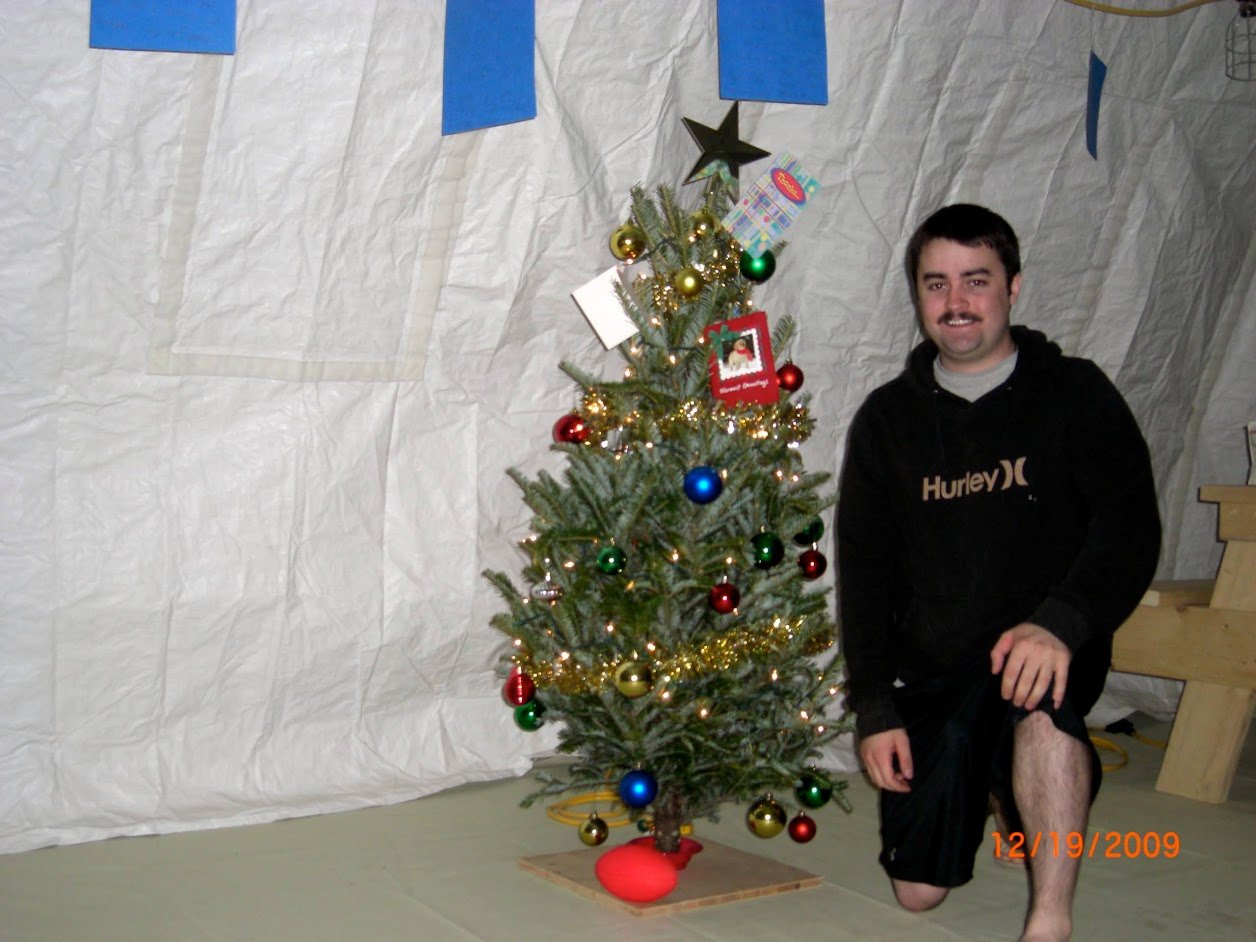
A message across time: Tom posing with one of the two “Trees for Troops” that arrived at our muddy patch of Diyala. This tree likely started its journey at the American Legion post founded in his grandfather’s basement in North Carolina.
The “Trees for Troops” program managed to get fresh pine trees all the way to our muddy patch of Diyala. We received two of them. They weren’t just random government-issue foliage; they came from an American Legion Postin North Carolina, pretty sure it was done so at the behest of Legion Post 83, the “Guilford College Post,” the one founded in the basement of my Grandpa Harold’s house. Standing in the mud of Iraq, decorating a tree that likely came from my grandfather’s legion hall, felt like a message across time.
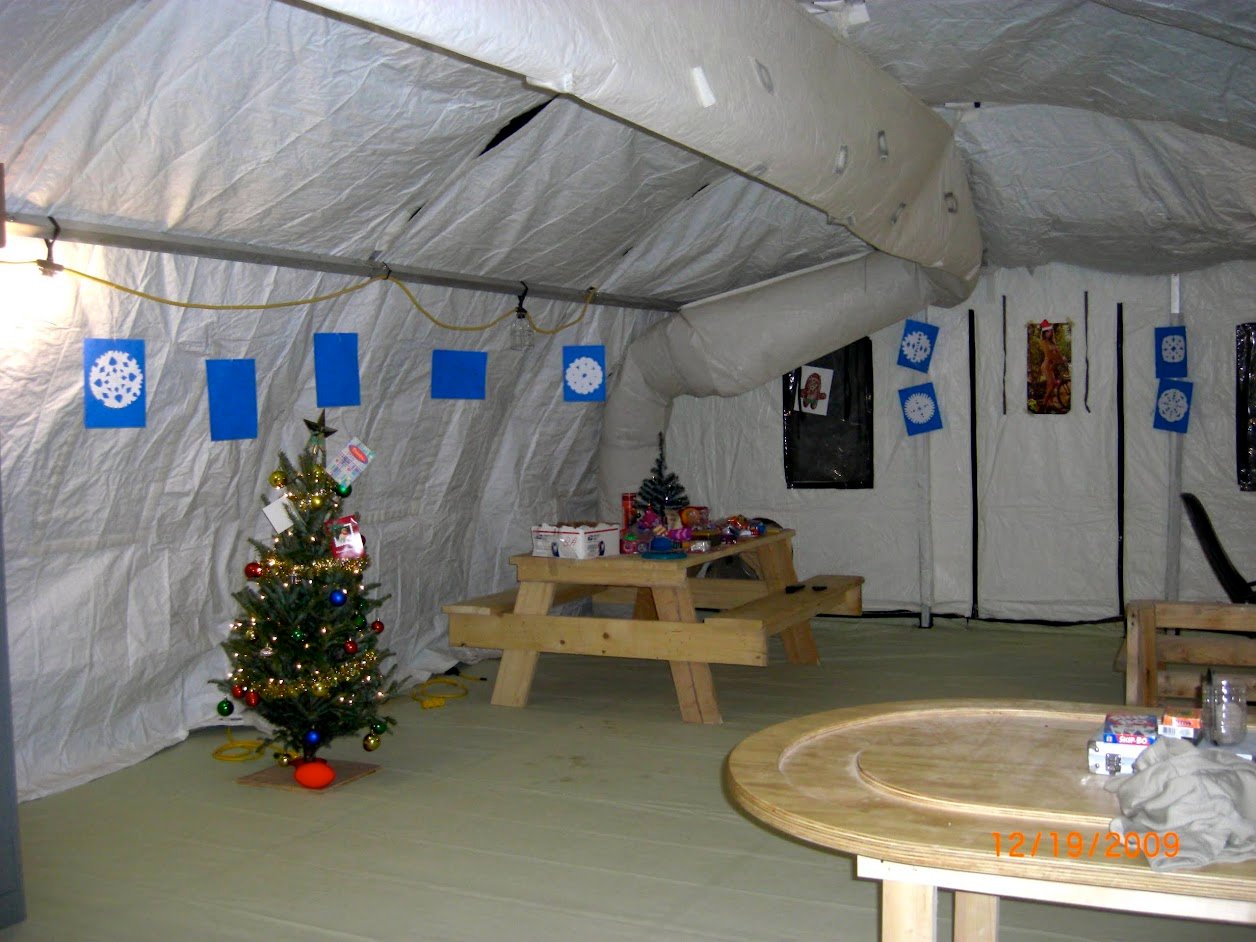
The heart of our “Hotel California” compound: the morale tent. This was our sanctuary for shared meals at the picnic table, poker games at the card table, and a rare slice of normalcy during the 2009 holiday season.
We kept one tree for our “Hotel California” and took the other to the contract maintenance guys supporting the SF teams.
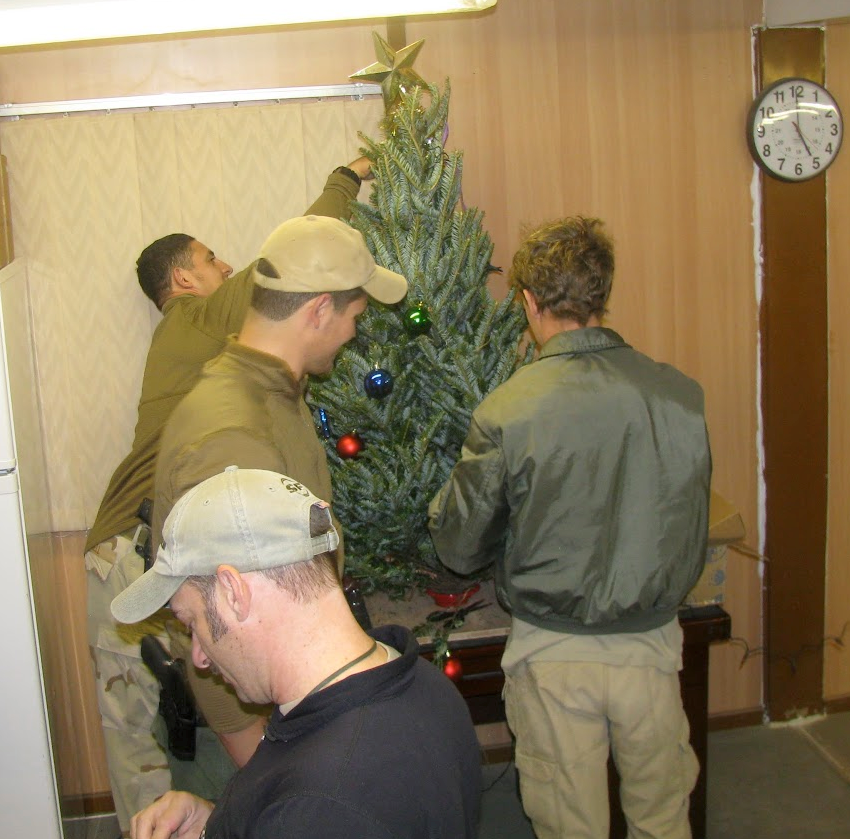
Delivering the second tree to the contract maintenance guys. Despite the exhaustion of 20-hour UAV orbits, the crew ensured the holiday spirit reached every corner of Warhorse.
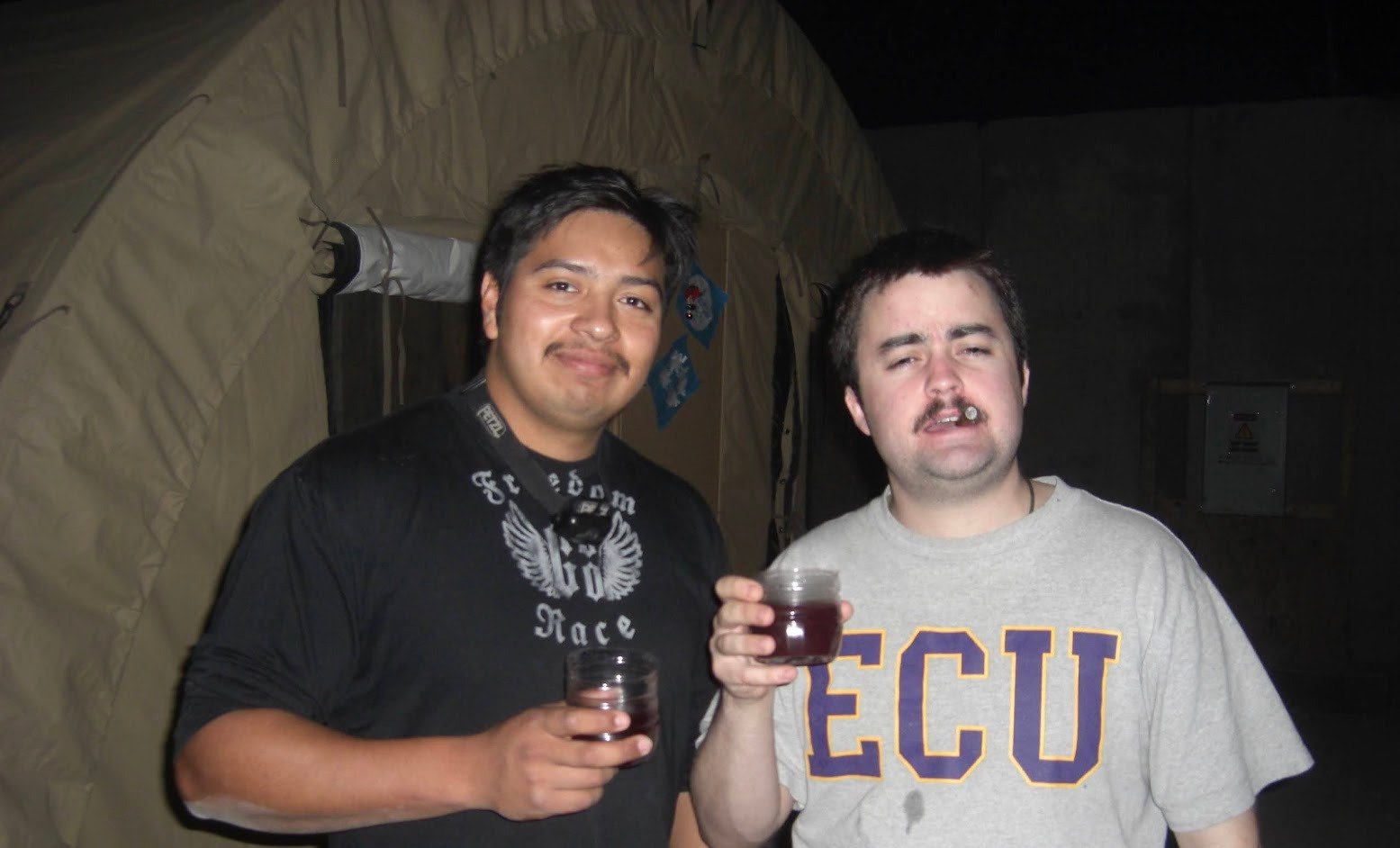
We celebrated with “hooch” made from yeast we ordered off a hobby site and juice swiped from the DFAC. It was terrible, it got us messed up, and for a few hours on Christmas Eve, we forgot about the mortars. We were lucky. We didn’t get attacked that night. But the fear was always there, a low-level hum in the back of your skull.
Celebrating Christmas Eve with Reggie and a round of our infamous homemade “hooch.” Brewed from smuggled yeast and DFAC juice, it was a questionable concoction that served its purpose: helping us forget the mortars for a few hours.
History books will tell you that 2009–2010 was a “quiet” period in the war, the bridge to the U.S. withdrawal. The data says otherwise. While the Obama Administration and Congress talked about drawdowns, AQI was ramping up a “Signature Attack” campaign to derail the March 2010 elections. The 3rd Stryker Brigade, the “Arrowhead” brigade we supported, was taking heavy hits from deep-buried IEDs targeting their vehicle hulls. The violence wasn’t random; it was a counter-offensive. We spent our days and nights scanning for “Pattern of Life,” building the intelligence mosaic that would eventually lead to early morning raids of safe houses, bomb making facilities, and boat houses along the river.
All that monitoring—the endless orbits over Baqubah warehouses and Hamrin Lake boaters—paid off. In the Spring of 2010, a joint raid based on the intelligence fusion we helped build killed the top two leaders of AQI.
But looking back 16 years later, the victory feels hollow. The vacuum we helped create was eventually filled by a new leader, Abu Bakr al-Baghdadi, and the region was consumed by the sectarian fire of ISIS.
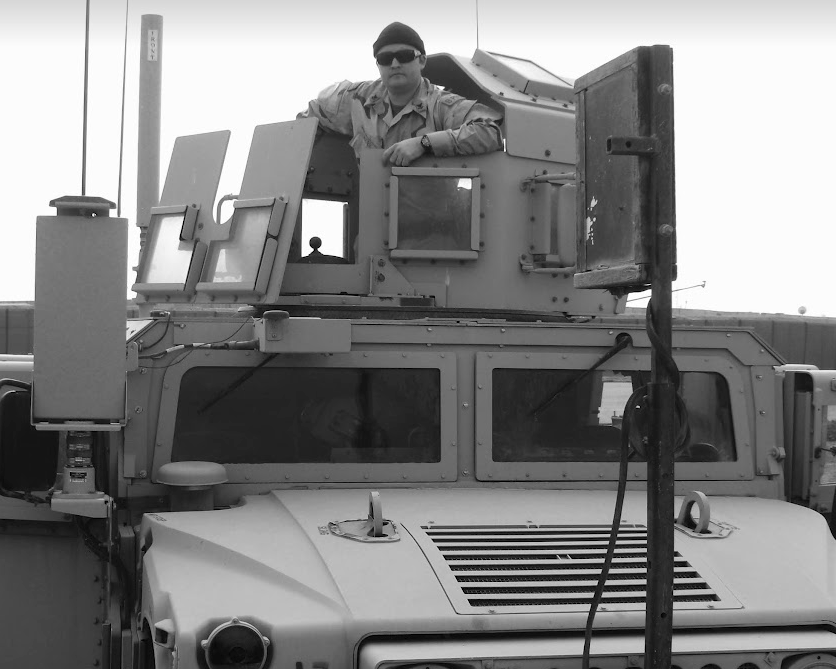
Tom in the turret of one of the detachment’s vehicles at FOB Warhorse. While the crew primarily operated UAVs as the “eyes” for special operations, maintaining the vehicles was a constant part of the daily grind.
I was a kid then, scared and confused, thinking I was on the moon. The last 15 years have been about unwinding that confusion. But every Christmas, when I smell pine needles, I’m back at the Hotel California, drinking nasty grape juice, hoping the rockets don’t land.
Merry Belated Christmas, and a Happy New Year to you and yours!
Tom Baker IV is the publisher of Wake Forest Matters, Wake Forest’s only independent local newsroom. A Wake Forest native, Navy veteran, and intelligence professional, Tom launched Wake Forest Matters to bring serious accountability journalism to his hometown. Tips and story ideas: publisher@wakeforestmatters.com