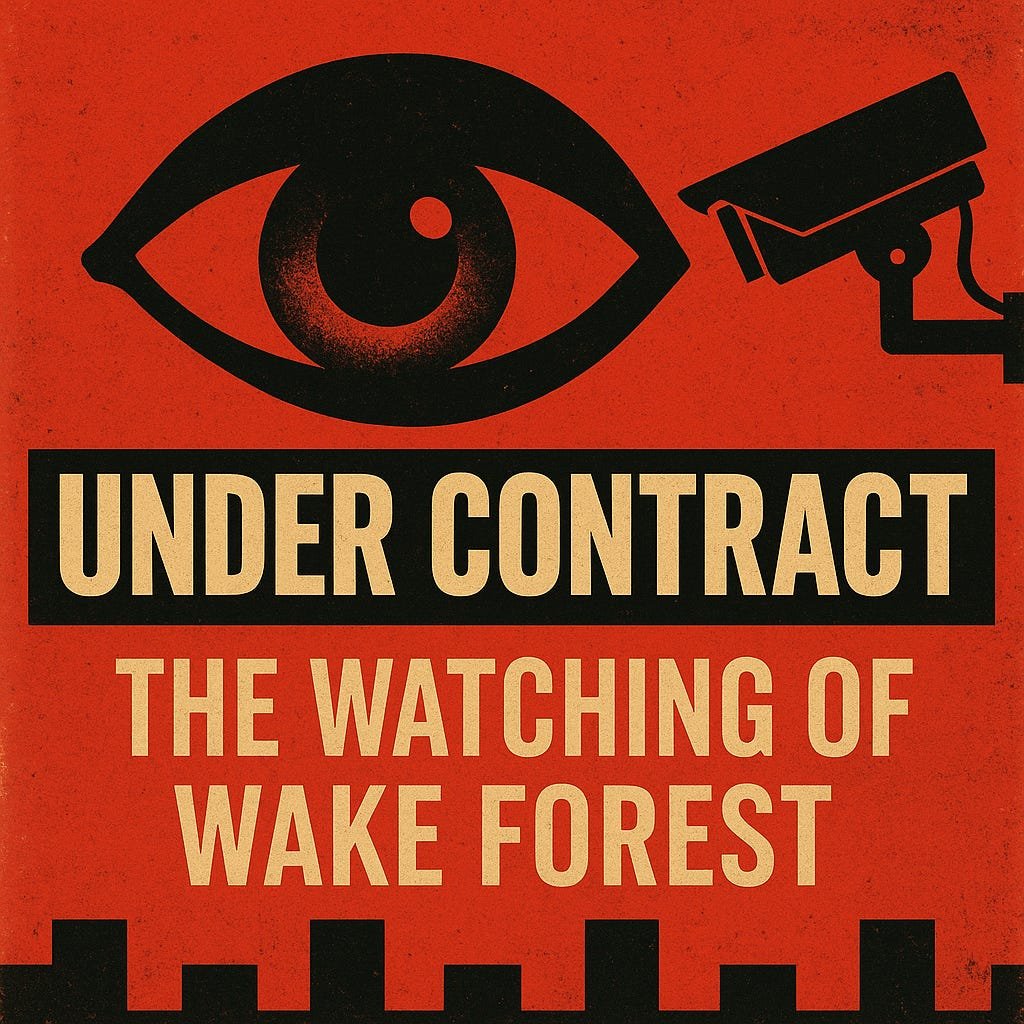
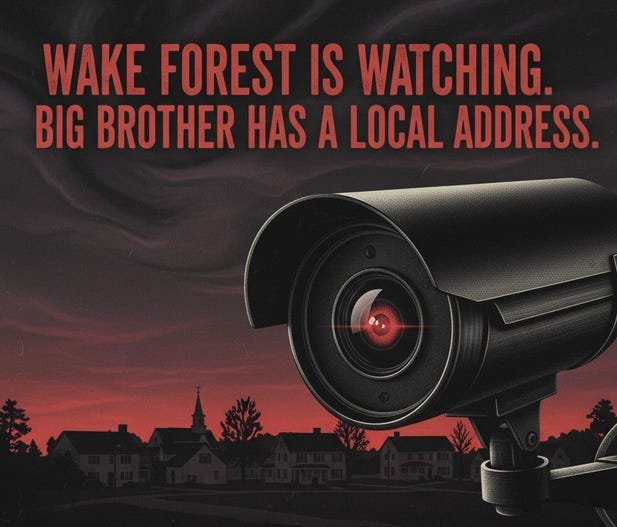
Wake Forest development deals reveal how growth decisions are made behind closed doors. Drive through Wake Forest, North Carolina, today, and you’ll see cameras on lampposts, sleek license-plate readers at intersections, doorbells with glowing lenses. But listen closely, and you’ll hear something quieter than sirens, steadier than traffic—the hum of surveillance.
Advertisement
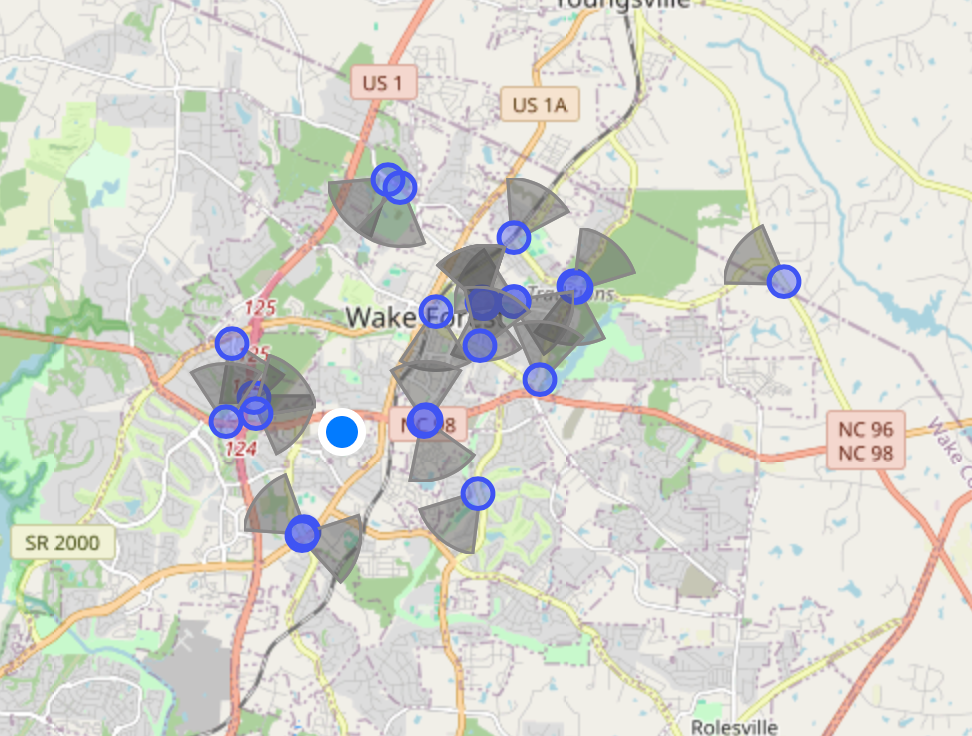
The town’s police department has deployed more than 24 Flock Safety automatic license plate recognition (ALPR) cameras. These cameras scan every passing vehicle and feed data into a nationwide database. What used to be isolated police equipment is now part of an extensive, rented surveillance network. But in nearby towns, the backlash is visible: for example, in Hillsborough, NC, local officials recently voted to terminate their contract with Flock Safety due to concerns about broad data-sharing clauses. This is surveillance as a service, the logical child of the post-9/11 era—an age when tools once forged for war now guard suburban streets.
In 2023, a judge ruled that the company was operating without a license in the state and ordered Flock to stop installing additional camera systems until it used licensed third-party installers. The ruling raises immediate questions about contract validity, oversight, and whether the data-sharing networks behind the system are operating under clear legal authority.
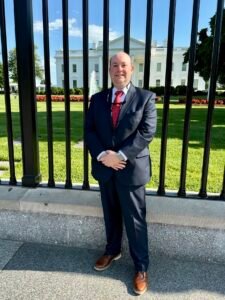
I first encountered these kinds of systems overseas, working in intelligence collection, surveillance, and targeting after 9/11. Back then, the mission relied on sensors designed for war. The same sensors once used to track movements in occupied conflict zones are quietly installed at Wake Forest intersections. The same data-fusion platforms once intended for national defense are now used by local law enforcement to monitor everyday movement.
What was extraordinary has become ordinary—and all under a vendor agreement.
These companies enable law enforcement and federal agencies to conduct drag-net data collection.
Algorithms, fusion centers, and national networks of ALPRs now underpin everyday policing, rather than being restricted to exceptional threats.
Vendor contracts frequently operate outside meaningful public scrutiny; oversight struggles to keep pace.
In Wake Forest’s case, Flock Safety’s ALPR system scans vehicles and feeds them into a network that potentially links with other agencies across jurisdictions. The contract details and data-sharing practices remain hidden from public view.
In Wake Forest, the system is described as a tool “to help solve, reduce, and prevent crime.” But that does not answer:
Who exactly has access to the data—local police only, or multiple agencies across the state and nation?
What contract terms govern data-sharing, retention, and deletion?
What local public review preceded the approval of the vendor contract?
Elsewhere, in Hillsborough, the town pulled the plug after discovering the contract allowed the vendor to share data with “any government entity or third-party.” That speaks directly to the problem: when the contract is the only oversight, when data flows freely beyond elected accountability, when the vendor creates the network. The municipality buys access—then the guardrails of democracy are weak. Raising immediate questions about their legality, oversight, and accountability.
Safety or Subscription?
When a municipality signs a surveillance contract, it outsources authority. The vendor’s terms of service sometimes become more binding than public law. If a private company controls the server, manages the algorithmic logic, and licenses access to agencies, then who safeguards the rights of citizens whose movements are captured?
Advertisement
In this context, safety becomes something you buy, and privacy becomes something sold. A system accessible only to “network partners” is one step away from being accessible to anyone with a badge and a password.
The False Promise of Total Vision
Jefferson and Madison believed that seeing power was part of consent. But in today’s architecture of watchfulness, the watchers often hide behind vendor agreements and encrypted portals; the watched are exposed from every angle. Here in Wake Forest, despite the department’s assurances that the ALPR system lacks facial-recognition capability and retains data only 30 days, the broader network structure remains opaque. And as Campaign Zero points out: the normalization of drag-net surveillance, algorithmic profiling, and vendor-enabled data systems means oversight is becoming weaker even as capacity grows.
A New Reconstruction for the Age of Data
America has rebuilt itself before: after slavery, after segregation, after fear. Now we must rebuild again — this time against the quiet, digital machinery of control.
We need a new social contract that guarantees:
The right to live free from surveillance for profit
The right to know when and how we are being watched
The right to safety without hidden networks
The right to visibility of those who govern us, and invisibility from those who sell us
Because if freedom means anything, it must mean the right to move through your own town without being tracked, scored, or sold.
Wake Forest Matters is an independent, nonpartisan newsroom covering Wake Forest, NC. We report on local government, schools, business, and community life — free to read and reader-supported. Fearless. Local. Loud.